
Views: 174 Author: Site Editor Publish Time: 2026-04-06 Origin: Site
Are you aware of the risks when using fiber laser marking machine, CO2 laser marking machine, or UV laser marking machine? These powerful tools can cause serious injuries without proper safety measures.Safety standards are crucial to protect operators and ensure smooth operations. Laser marking machine pose hazards like eye damage and fire risks.In this post, you’ll learn about essential safety standards, personal protective equipment, and best practices for safe laser marking operations.
Laser marking machines come in various types, such as fiber, CO2, and UV lasers. Each type operates at different power levels and wavelengths, which affects their safety risks. To manage these risks, lasers are categorized into classes from 1 to 4 based on their hazard potential. Understanding these classes helps operators and safety officers apply the right precautions.
Class 1: These lasers are safe under normal use. The beam is either very low power or fully enclosed, preventing exposure. Examples include some fiber laser markers used inside protective housings.
Class 1M: Safe for direct viewing unless using optical aids like binoculars, which can concentrate the beam and cause damage.
Class 2: Low-power visible lasers. The human blink reflex usually protects the eyes from damage. Typical examples are low-power CO2 lasers used for marking plastics.
Class 2M: Similar to Class 2 but hazardous when viewed through optical instruments.
Class 3R: Intermediate power; direct eye exposure is potentially hazardous but less likely to cause injury.
Class 3B: Higher power lasers that can cause eye and skin injuries from direct exposure. Fiber and UV lasers often fall here in industrial marking.
Class 4: The most hazardous lasers with power exceeding 500 milliwatts. They can cause severe eye and skin injuries and present fire hazards. Many industrial CO2 and fiber laser systems are Class 4.
Fiber lasers: Usually Class 3B or 4. Their invisible beams can damage the retina without warning. Reflected beams also pose risks.
CO2 lasers: Often Class 4. They emit infrared radiation, which can burn skin and eyes. They also generate heat that can ignite materials.
UV lasers: Typically Class 3B or 4. Their shorter wavelengths can cause skin burns and eye damage. UV exposure also risks skin aging and cancer over long periods.
Laser safety standards provide guidelines for classification and control measures:
ANSI Z136.1: Widely used in the U.S., it defines laser classes and mandates safety controls like protective eyewear, engineering controls, and administrative procedures.
IEC 60825-1: An international standard adopted globally, including Europe and Asia. It sets classification criteria, labeling requirements, and safety measures for laser products.
Both standards require manufacturers to label laser equipment clearly with its class and hazard warnings. They also guide workplaces on implementing controls to minimize exposure.
Note: Always verify your laser marking machine's class and follow the specific safety requirements for that class to protect operators and bystanders from serious injury.
Operating laser marking machines safely requires more than just understanding laser classes and hazards. Wearing the right personal protective equipment (PPE) is crucial to prevent injuries, especially eye and skin damage, from the intense laser beams and byproducts of the marking process.
Fiber lasers often operate at high power levels and invisible wavelengths, making eye protection critical. Operators must wear safety glasses or goggles specifically designed to block the laser's wavelength. These glasses should have a high optical density (OD) rating to reduce laser intensity to safe levels.
In addition to eye protection, fiber laser operators should wear protective clothing that covers exposed skin. This includes lab coats or flame-resistant garments to prevent burns caused by stray laser beams or hot materials. Gloves made of heat-resistant material protect hands during handling of marked parts or machine components.
Choosing the right eyewear means matching the glasses’ optical density to the laser’s wavelength and power. Optical density ratings indicate how much laser energy the glasses can absorb. For example, fiber lasers emitting near-infrared light (around 1064 nm) require glasses with an OD of 6 or higher at that wavelength to ensure safety.
Similarly, UV laser operators need eyewear blocking UV wavelengths (typically 355 nm). CO2 laser operators must use protective eyewear designed for far-infrared wavelengths (around 10.6 µm). Using inappropriate glasses may provide a false sense of security or fail to protect the eyes adequately.
Laser radiation can cause skin burns, irritation, or long-term damage. Operators should wear clothing made from materials that resist laser penetration and heat. Lab coats, sleeves, and aprons made from flame-retardant fabrics are recommended.
Gloves protect hands from burns, chemical exposure, or cuts during material handling. Leather gloves suit low-power applications, while high-heat-resistant gloves may be necessary for higher power or frequent handling of hot parts.
CO2 and UV lasers present unique hazards. CO2 lasers emit invisible infrared radiation that can burn skin and eyes without warning. UV lasers emit higher-energy photons that can cause skin reddening, eye irritation, and increase cancer risk with chronic exposure.
Strict PPE compliance is essential in these environments. Operators must never bypass PPE requirements or use general-purpose safety gear. Facilities should enforce PPE policies, provide training on proper use, and regularly inspect equipment for damage or wear.
Tip: Always verify your PPE’s optical density and wavelength rating matches your laser type before use to ensure maximum protection against laser radiation hazards.
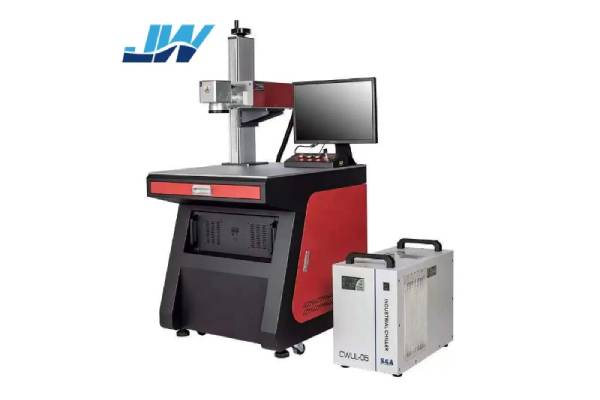
Laser marking machines use powerful beams that can harm operators and others nearby if not properly controlled. Engineering controls and built-in safety features act as the first line of defense, helping prevent accidents and reduce exposure to hazardous laser radiation and fumes. These controls are essential for fiber, CO2, and UV laser marking machines, which often operate at Class 3B or Class 4 levels.
Protective enclosures surround the laser beam path, physically blocking access to the laser radiation. Many modern laser marking machines come equipped with Class 1 laser enclosures, meaning they are safe under normal operating conditions because the laser beam is fully contained. These enclosures:
Prevent accidental eye or skin exposure to direct or scattered laser beams.
Contain fumes, particles, and debris generated during marking.
Reduce noise and environmental contamination.
Often include transparent windows made of laser-blocking materials, allowing operators to monitor the process safely.
Class 1 barriers ensure compliance with safety standards like ANSI Z136.1 and IEC 60825-1 by maintaining the laser within a controlled space.
Interlocks are safety devices that shut off the laser automatically if an enclosure door or access panel is opened during operation. These systems prevent operators from being exposed to hazardous laser beams or airborne contaminants. Key points include:
Interlocks disable laser emission instantly when safety covers open.
Safety switches ensure the machine cannot restart until all protective barriers are closed.
They protect maintenance personnel during servicing.
Regular testing of interlocks and switches is critical to verify functionality.
Together, interlocks and switches form a vital safety layer that prevents unintentional exposure to laser radiation.
Laser marking often vaporizes material surfaces, producing fumes, smoke, and fine particles. These byproducts can be toxic or irritating if inhaled. Effective ventilation and filtration systems are necessary to:
Extract fumes and airborne particles from the laser enclosure or workspace.
Filter hazardous substances using HEPA filters, activated carbon, or other media.
Maintain air quality and protect operator health.
Prevent accumulation of combustible dust that could cause fire or explosion risks.
Properly designed ventilation systems also help maintain consistent marking quality by removing contaminants from the beam path.
Modern laser marking machines incorporate automatic safety features that enhance operator protection and machine reliability:
Automatic Shutdown: The laser powers down if abnormal conditions arise, such as overheating, power supply issues, or ventilation failure.
Beam Containment: Optical components and beam paths are enclosed or shielded to prevent stray reflections or scatter.
Emergency Stop Buttons: Easily accessible controls allow operators to immediately halt laser operation in emergencies.
Software Safety Controls: Machines may include software interlocks and monitoring to detect unsafe conditions and respond accordingly.
These features are crucial for high-power fiber, CO2, and UV lasers, which pose significant risks without proper containment and control.
Tip: Regularly inspect and test protective enclosures, interlocks, and ventilation systems to ensure all safety features function correctly and maintain a secure laser marking environment.
Proper administrative controls and comprehensive training are essential to ensure laser marking machines operate safely. These measures help reduce risks, promote awareness, and maintain compliance with regulations.
Training is the foundation of safe laser operation. Operators must understand laser hazards, including eye and skin injuries, fire risks, and exposure to harmful fumes. Training should cover:
Laser classes and associated dangers
Safe operating procedures
Emergency response actions
Proper use of personal protective equipment (PPE)
Machine-specific controls and safety features
Hands-on training combined with theoretical knowledge helps operators recognize hazards and react appropriately. Regular refresher courses keep skills sharp and update staff on new safety standards or equipment changes.
A formal laser safety program ensures consistent safety practices. It includes policies, procedures, and responsibilities tailored to the facility’s laser use.
Key components of a laser safety program:
Risk assessments to identify hazards
Defined operational protocols
PPE requirements
Maintenance schedules
Incident reporting procedures
Appointing a Laser Safety Officer (LSO) is critical. The LSO oversees program implementation, enforces safety rules, conducts audits, and serves as the point of contact for safety concerns. For high-powered lasers (Class 3B and 4), having a dedicated LSO is often mandatory by regulations.
Clear, visible signage warns personnel and visitors of laser hazards. Signs should be posted at:
Entry points to laser-controlled areas
Near laser machines
On equipment showing laser classification and warnings
Signs use standardized symbols and colors (often yellow background with black text) to indicate laser presence and required precautions. Compliance with standards like ANSI Z535 or IEC 60825-1 ensures signs meet regulatory requirements.
Labels on laser equipment must display:
Laser class
Wavelength
Maximum output power
Warning symbols
Proper signage and labeling help prevent accidental exposure and reinforce safety protocols.
Maintaining thorough documentation supports safety management and regulatory compliance. Records should include:
Operator training logs
Maintenance and inspection reports
Incident and near-miss reports
Safety audits and corrective actions
Incident reporting encourages prompt investigation and prevents recurrence. It also provides data for continuous safety improvement.
Facilities must comply with regional laser safety standards such as ANSI Z136.1 (U.S.), IEC 60825-1 (international), or local regulations. Adhering to these standards protects workers and reduces legal liability.
Tip: Regularly schedule laser safety training and appoint a dedicated Laser Safety Officer to ensure ongoing compliance and a culture of safety in your laser marking operations.
Proper material handling and maintaining a safe environment are critical for laser marking operations. Using the right materials and controlling the workspace environment reduce risks of toxic fumes, fires, and operator exposure.
Each laser type interacts differently with materials. Always use materials approved by the laser machine manufacturer to ensure safety and optimal marking quality.
Fiber lasers work best on metals and some plastics. Avoid materials that release hazardous gases when heated.
CO2 lasers can mark organic materials like wood, leather, and glass but may produce toxic fumes from plastics like PVC.
UV lasers are suitable for delicate materials, such as plastics, ceramics, and some metals, but improper materials can degrade or emit harmful vapors.
Using unapproved materials can damage the machine, produce toxic smoke, or cause poor marking results.
Laser marking vaporizes or burns material surfaces, generating fumes and particles. Some materials release hazardous gases, such as chlorine or cyanide compounds, which pose health risks.
Improper materials can also ignite easily, especially under high-powered lasers. For example:
PVC releases corrosive chlorine gas and can cause fires.
Materials with flammable coatings or dust increase fire risk.
Always review material safety data sheets and consult manufacturer guidelines before marking.
Store materials in well-ventilated areas, away from heat or ignition sources. Use sealed containers for powders or dust to prevent airborne spread.
When handling materials:
Wear gloves and protective clothing to avoid skin contact with hazardous substances.
Use tools to minimize direct contact.
Keep work areas clean to prevent dust accumulation, which can ignite.
Ventilation systems are vital to remove fumes and particles from the laser marking area. Use local exhaust ventilation or fume extraction systems equipped with filters suitable for the types of contaminants produced.
Maintain airflow to prevent buildup of toxic gases or combustible dust. Regularly inspect and replace filters to ensure efficiency.
Workspace controls include:
Restricting access to laser areas to trained personnel.
Using warning signs to alert about potential hazards.
Implementing spill control and emergency response plans.
Tip: Always verify material compatibility with your laser marking machine and use proper ventilation to protect operators from toxic fumes and fire hazards.
Keeping laser marking machines in top condition is vital for safety and smooth operation. Regular maintenance and clear emergency procedures help prevent accidents, reduce downtime, and protect operators from hazards like fire, electrical shocks, or accidental laser exposure.
Set up a routine inspection plan to check all machine parts, safety features, and controls. This includes:
Verifying interlocks and safety switches work properly.
Inspecting protective enclosures for cracks or damage.
Checking beam alignment and calibration.
Testing emergency stop buttons.
Monitoring ventilation and filtration systems.
Document all inspections and repairs. Follow manufacturer guidelines for maintenance intervals. Timely servicing helps catch wear or faults before they cause safety risks or machine failure.
Dust and debris can accumulate inside the machine, especially near vents, lenses, and beam paths. This buildup can:
Reduce beam quality and marking accuracy.
Create fire hazards if combustible dust ignites.
Obstruct ventilation, causing overheating.
Use vacuum cleaners, compressed air, or approved cleaning tools regularly. Always power off and follow lockout/tagout procedures before cleaning. Avoid using flammable solvents or liquids near electrical parts.
Prepare clear emergency procedures tailored to your laser marking environment:
Fire: Keep appropriate fire extinguishers nearby (e.g., Class C for electrical fires). Train staff on fire response and evacuation routes.
Electrical hazards: Ensure operators know to avoid touching exposed wiring. Use lockout/tagout during repairs.
Accidental laser exposure: Have first aid kits accessible. Train personnel to respond to eye or skin injuries promptly.
Regular drills help reinforce emergency readiness and reduce panic during real incidents.
Lockout/tagout (LOTO) procedures protect workers from unexpected machine startup or electrical hazards during maintenance. Steps include:
Shutting down and isolating power sources.
Applying lockout devices and warning tags.
Verifying the machine is de-energized before work.
Removing locks and tags only after maintenance completes and safety checks pass.
Follow OSHA or regional standards for LOTO compliance. Proper LOTO prevents serious injuries or fatalities during servicing.
Tip: Always perform lockout/tagout before maintenance and keep a detailed log of inspections and repairs to maintain laser marking machine safety and reliability.
Ensuring safe and efficient use of laser marking machines requires understanding critical safety standards and best practices. Compliance protects operators from hazards and improves operational efficiency. Advances in safety technology continue to enhance protection and ease of use. Ongoing training and certification are essential for maintaining safety awareness and skills. JWLASER offers advanced laser marking solutions designed with robust safety features, delivering reliable performance and peace of mind for all users.
A: Fiber laser marking machines are typically Class 3B or 4, requiring strict safety measures due to their high power and invisible beams that can damage eyes and skin.
A: CO2 laser marking machines emit infrared radiation causing burns and fire risks, while UV laser marking machines have shorter wavelengths that can cause skin burns and eye damage, both needing proper PPE.
A: PPE like wavelength-specific safety glasses and protective clothing prevent eye injuries and skin burns caused by laser radiation and byproducts during marking.
A: Protective enclosures, interlocks, ventilation systems, and automatic shutdown features help contain laser beams and fumes in fiber, CO2, and UV laser marking machines.
A: Use materials approved by manufacturers to avoid toxic fumes, fire hazards, and ensure optimal marking quality specific to each laser type.
A: Regular inspection of interlocks, cleaning to prevent dust buildup, and following lockout/tagout procedures during servicing keep fiber, CO2, and UV laser marking machines safe.

 English


